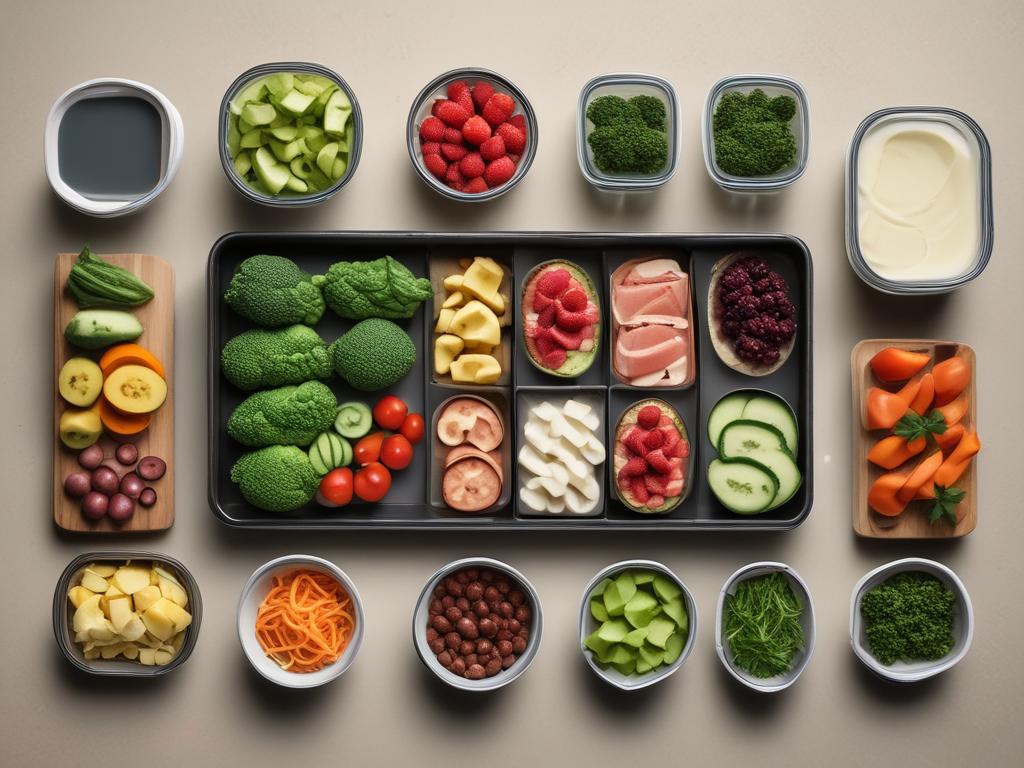
In today’s fast-paced world, mastering meal prep can transform your cooking routine, helping you save both time and money. By implementing effective meal prep techniques, you can streamline your cooking process, allowing for healthier meals and less stress during the week. Whether you're a busy professional, a parent juggling multiple responsibilities, or simply someone who wants to eat better, meal prepping is the key to simplifying your kitchen efforts while ensuring you always have delicious, home-cooked meals on hand.
Not only does meal prep save you time in the kitchen, but it also offers a fantastic way to reduce food waste and maximize your ingredients. By planning your meals in advance and utilizing clever storage solutions, you can make the most of what you buy, leading to fresher meals and more mindful eating habits. In this blog post, we'll explore essential meal prep techniques, storage tips, and meal planning strategies that will empower you to discover simple meal prep practices that truly save you time and reduce food waste.
Discover essential meal prep techniques to streamline your cooking process
Mastering meal prep doesn't require a culinary degree; it simply involves adopting a few essential techniques that can drastically improve your cooking efficiency. Start by choosing a dedicated day each week for meal prepping. This allows you to prepare ingredients and meals in bulk, ensuring you have healthy options readily available. Begin by washing, chopping, and storing veggies in clear containers, so they are easily accessible during the week. Investing in quality kitchen tools, such as a sharp knife and a reliable cutting board, can significantly speed up your prep time. Additionally, utilizing multi-purpose ingredients, like quinoa or roasted chicken, can form the foundation of various dishes, further optimizing your cooking efforts.
Incorporating batch cooking into your routine is another key technique for saving time. Prepare large quantities of staple meals, such as soups, stews, or casseroles, and portion them out for the week ahead. This strategy not only saves time during busy weekdays but also allows you to customize meals according to your cravings. When making meals, consider the assembly-line method: cook multiple recipes simultaneously, sharing cooking times and oven space. Embracing these meal prep techniques will not only streamline your cooking process but also create a more organized and enjoyable kitchen experience.
Save time and money with these clever storage solutions
Efficient storage solutions play a crucial role in meal prep, helping you save both time and money in the kitchen. Start by investing in high-quality, airtight containers that come in various sizes. These containers not only keep your meals fresh for longer but also allow you to easily portion out your meals for the week. Labeling your containers with dates and meal names can simplify the process of tracking freshness and makes it easy to grab a meal on busy days. Utilize stackable containers to minimize fridge clutter, maximizing your space and maintaining organization.
In addition to standard containers, consider incorporating freezer bags and vacuum-sealed pouches into your meal prep routine. These options work wonderfully for bulk-prepped meals, soups, and sauces, allowing you to freeze portions for future use. By properly storing your ingredients, you reduce the risk of spoilage and waste. Furthermore, investing in a good set of jars for dry ingredients can streamline your pantry as well. Organize grains, legumes, and spices to quickly access what you need, making meal prep faster and more efficient. Embrace these smart storage strategies to not only save time in your meal prep but also help your grocery budget stretch further.
Reduce food waste: Maximize your ingredients with effective meal planning
Effective meal planning not only saves money but also significantly reduces food waste in your kitchen. Start by assessing what ingredients you already have before planning your meals for the week. Create a meal plan that incorporates these items to ensure they get used before they spoil. By designing recipes around your existing ingredients, you can readily adapt your cooking to take advantage of what is available, reducing the likelihood of food going to waste. This approach not only keeps your grocery budget in check but also encourages creativity in the kitchen as you experiment with various combinations.
In addition to meal planning, consider employing the concept of first in, first out for your pantry and refrigerator. Organize your food items by expiration dates, placing older items in front to encourage their use. Additionally, experimenting with different preservation methods, such as freezing or pickling, can extend the life of fresh produce that you may not be able to use immediately. By taking the time to think ahead and strategically utilizing your ingredients, you create a sustainable cooking routine that minimizes waste and maximizes your budget, leading to a more efficient and eco-conscious kitchen experience.